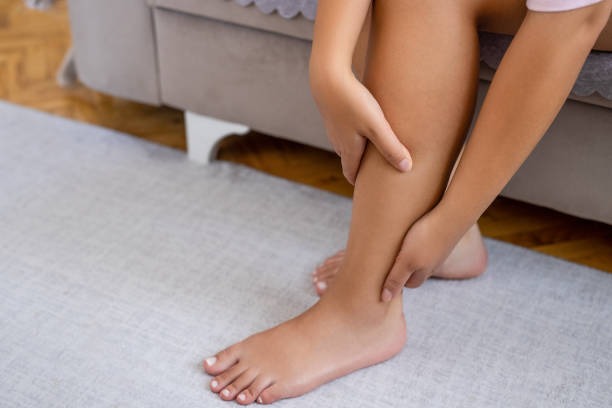
Maintaining joint function is essential for preserving mobility and quality of life, especially as the body ages or recovers from injury. Mobility practices focus on enhancing the range of motion, reducing stiffness, and promoting joint health through consistent, targeted movement. These practices can prevent the onset of degenerative conditions such as osteoarthritis and help manage symptoms in individuals already experiencing joint discomfort.
A foundational element of mobility practice involves gentle stretching exercises that encourage flexibility without placing undue stress on the joints. Unlike static stretching, which holds a position for an extended period, dynamic stretches involve controlled movements that gently take joints through their full range of motion. This approach warms up the muscles and lubricates the joint surfaces, ensuring smoother movement and reducing the risk of injury. For example, shoulder circles or ankle rotations can improve synovial fluid distribution, which acts as a natural lubricant within the joint capsule.
Incorporating low-impact aerobic activities such as swimming, cycling, or walking also supports joint health by strengthening surrounding muscles and improving cardiovascular fitness without excessive joint loading. These exercises enhance blood flow to tissues around the joints, delivering essential nutrients and removing metabolic waste. Strengthening muscles around vulnerable joints provides better support and alignment, which reduces abnormal stress on cartilage and connective tissues.
Joint mobility is closely linked to posture and body mechanics. Poor posture can lead to uneven joint wear and exacerbate pain or stiffness. Practicing mindful movement patterns during daily activities-such as bending at the knees instead of the waist when lifting objects-can protect joints from unnecessary strain. Additionally, targeted mobility routines often incorporate proprioceptive training to improve balance and coordination, which helps prevent falls and subsequent joint injuries.
In clinical settings, professionals sometimes recommend manual therapy techniques alongside active mobility exercises to restore joint function. These hands-on methods can reduce adhesions within joint capsules and improve tissue elasticity. However, self-directed mobility work remains crucial for long-term maintenance. Consistency is key; even brief daily sessions can yield significant improvements in joint comfort and function over time.
Emerging research highlights the role of inflammation management in preserving joint mobility. Nutritional strategies combined with physical activity may reduce chronic inflammation that accelerates cartilage degradation. While some readers might encounter discussions about surgical interventions on platforms like Plastic Surgery Key blog, non-invasive mobility practices serve as an effective first line of defense in maintaining healthy joints.
Ultimately, integrating mobility exercises into one’s routine fosters resilience against age-related decline and supports recovery from injuries. By focusing on controlled movement, strengthening surrounding musculature, and adopting ergonomic habits, individuals can sustain optimal joint function throughout life.