Kawaii clothes have gained significant popularity among creative audiences due to their unique blend of playful aesthetics and expressive potential. Originating from Japanese culture, kawaii-which means “cute” or “adorable”-clothing emphasizes bright colors, whimsical patterns, and youthful motifs. This distinctive style resonates deeply with individuals who seek to communicate their personality through fashion in a way that is both imaginative and visually engaging.
One reason kawaii clothing appeals to creative people is its emphasis on individuality. Unlike mainstream fashion trends that often prioritize conformity, kawaii encourages self-expression through bold choices and unconventional combinations. The garments frequently feature cartoon characters, pastel hues, oversized accessories, and intricate details that invite wearers to experiment with layering and styling. This freedom allows creatives to craft looks that reflect their inner world rather than adhering strictly to societal expectations or seasonal trends.
Moreover, kawaii fashion fosters an atmosphere of positivity and joy. Creative minds often draw inspiration from environments that stimulate optimism and wonder; the cheerful nature of kawaii designs aligns well with this mindset. Wearing such clothes can enhance mood and confidence by creating a sense of playfulness amidst everyday routines. For artists, designers, writers, or performers seeking fresh ideas or emotional upliftment, the uplifting qualities embedded in kawaii attire serve as a valuable source of motivation.
The cultural significance behind kawaii also contributes to its appeal within artistic communities. It represents more than just visual cuteness; it embodies values like innocence, kindness, and imagination-qualities cherished in many creative disciplines. By embracing these ideals through clothing choices, creatives connect with a broader narrative about human emotion and expression while simultaneously celebrating cultural diversity.
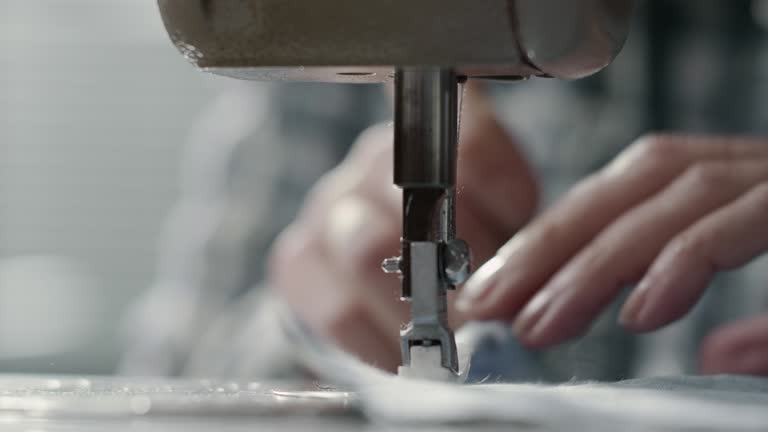
Furthermore, the DIY aspect associated with some segments of kawaii fashion attracts those who enjoy hands-on creativity. Many enthusiasts customize their outfits using patches, pins, embroidery techniques or even handmade accessories inspired by the style’s themes. This process transforms clothing into a personal art project rather than mere apparel consumption.
In summary, kawaii clothes captivate creative audiences because they offer an open canvas for self-expression enriched by positive emotional undertones and cultural depth. The style’s playful yet meaningful characteristics provide fertile ground for experimentation both visually and conceptually-making it especially appealing for those whose work thrives on originality and imaginative exploration within everyday life contexts.